A garage door is the largest moving object in the home. They are often operated by automatic garage door openers. Proper installation, operation, maintenance, and testing are necessary to provide safe, trouble-free operation. An improperly adjusted garage door or automatic opener can exert deadly force when the door closes. This could lead to serious injury or death from being hit by a closing garage door or from being trapped under the door.
Safety is Everyone's Business
A few simple precautions can protect your family and friends from potential harm. Please take a few minutes to read the following safety and maintenance tips. Refer to your garage door opener's manual for details specific to the model you own. Then check the operation of your garage door and automatic opener.
Garage Door Openers are Not Toys
DO NOT stand or walk under a moving door!
DO NOT let children or adults play "beat the door". It is dangerous and can result in serious injury or death. Adults should set a good example. Know how to use the emergency release, in case someone is pinned by the door.
DO NOT let children play with or use the transmitters or remote controls. Always place and store them out of the reach of children.
The pushbutton wall control should be out of the reach of children (at least 5 feet from the floor) and away from all moving parts. Mount and use the button where you can clearly see the moving garage door.
Teach Your Children About Garage Door and Opener Safety
Garage door openers are not toys. Careless operation and allowing children to play with or use garage door opener controls can lead to tragic results. Discuss garage door safety with your children. Explain the danger of being trapped under the door.
When using the pushbutton or transmitter, keep the door in sight until it completely stops moving. Teach children never to play under or near an open garage door.
Teach children to keep their hands and fingers clear of section joints, hinges, tracks, springs and other door parts. Contact with a moving door or its hardware could cause serious injury. These injuries can also happen with garage doors that don't have automatic openers.
Routine Maintenance Can Prevent Tragedies
Take a few minutes to inspect and test your complete garage door system. Make monthly inspection and testing a part of your regular routine. Safety is everyone's business. Make garage door and garage door opener safety automatic in your home.
Can I Open My Garage Door If It Has A Broken Spring?
Forcing open a garage door with a broken spring can do more harm than good.
Garage doors operate as a complete system: The spring system lifts and lowers the door as the motorized opener assists. The tracks guide the garage door up and down as the hinges bend to allow the sections to operate individually. If one part of this system is damaged or broken, it affects the productivity of the other components of the system.
If your garage door has a broken spring, you shouldn't try to open or close your door.
If you attempt to open the garage door with a broken spring or actually manage to get it open, you create a hazardous situation for yourself and others. The springs help keep the door in the open position, so if a spring is broken, nothing will keep that door from slamming shut, which can injure you, others, or damage belongings.
The opener isn't meant to lift the garage door's weight; it's intended to help. If you force the door open using your garage door opener, you will wreck the gear inside of the opener. This can result in the need for a new opener, which will be more expensive than replacing the broken spring.
If your garage door spring is broken, it’s recommended that you leave the door alone and call an expert who can professionally replace the spring.
80s Garage Door Evolution
The '80s Called - They Want Their Garage Doors Back!
The '80s were a great time. The music was amazing, technology was evolving, and the hair styles were wild. Muscle cars ruled the streets, and our Walkman's were blasting Hip-Hop. Back in the 80’s, you had the chance to really express yourself... Everywhere but your garage door, because there were hardly any styles available.
Evolution Of The Garage Door
Years ago, garage doors stood for one purpose: Keeping your car covered. There weren’t many choices to choose from, so most people opted to go for the original single-panel garage door. They were functional, but not stylish. They worked, but they weren’t going to "Wow!" anyone visiting your house.
But now, things have changed.
An upgraded garage door can completely change the perception of your house, and increase the value almost instantly.
In fact, more often than not, having an old garage door is hurting your house's curb appeal!
Time For An Upgrade?
Like anything in life, your garage door becomes obsolete after time. An old garage door not only looks out of place in a nice neighborhood, but by neglecting to upgrade it, you’re doing your house a disservice. You simply can’t quantify how much nicer your house looks with one of the new trending garage doors.
You now have countless garage door options to choose from, so there’s no excuse to not pick your favorite. Besides, it’s not the 80’s anymore, remember? Check out some of our most popular designs below.
Carriage House
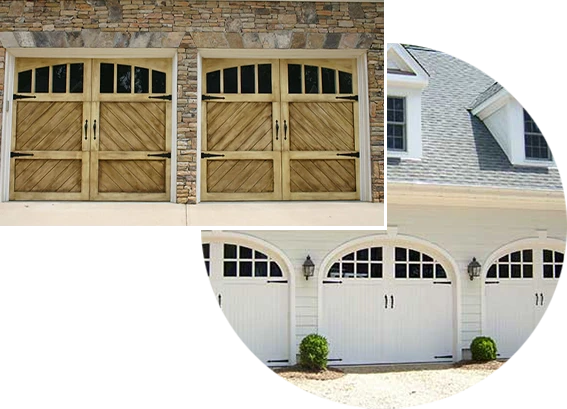
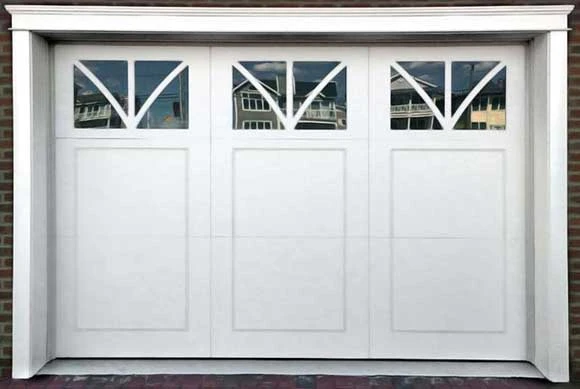
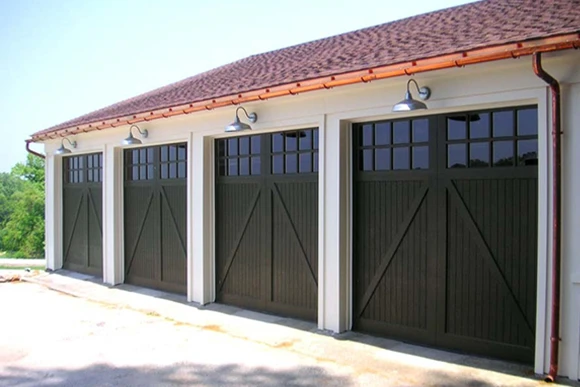
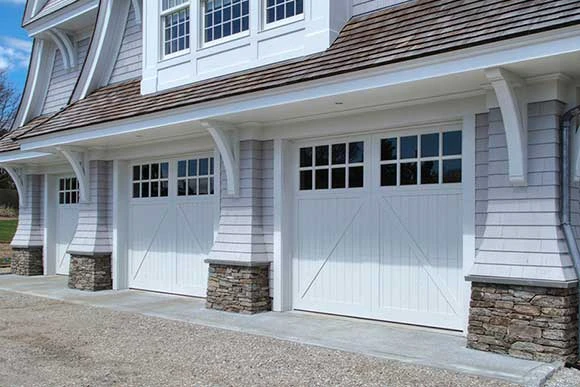
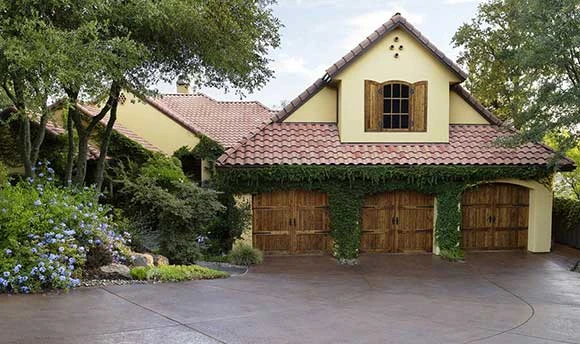
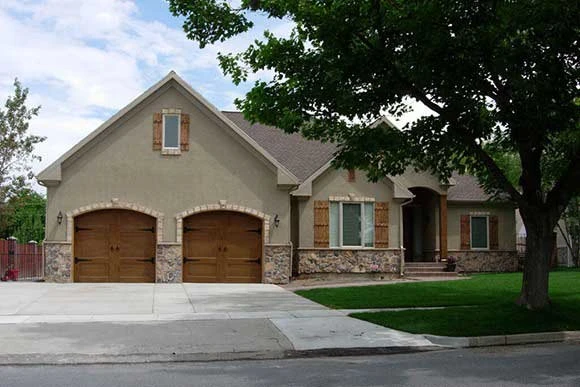
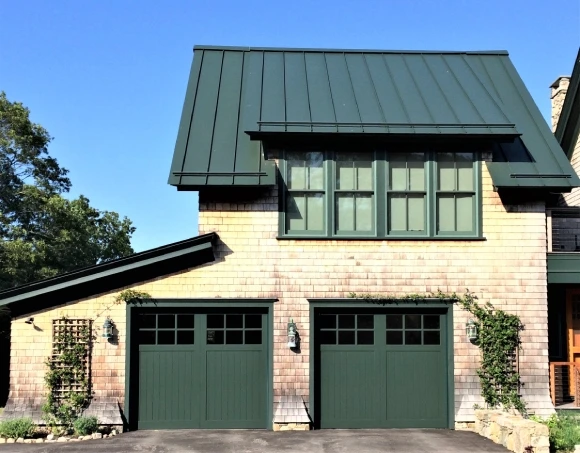
An early classic with a modern twist, the carriage house style doors combine a rustic look with the convenience of an overhead garage.
The color of your choice can add a lot of pop and character to your home. Many have been opting to match their door color with their front door, shutters, or other design elements on their home.
Can I add safety eyes to my existing garage door opener?
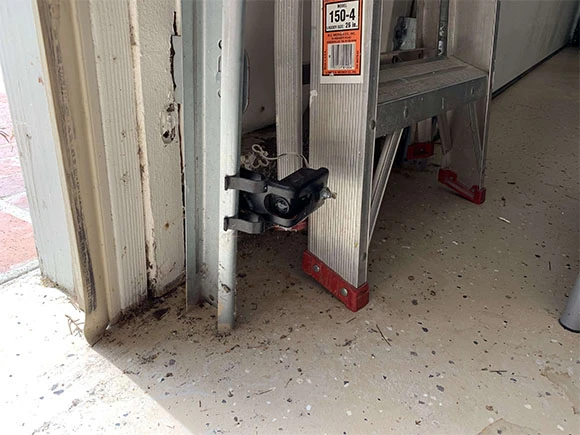
Safety eyes are mounted on the bottom of the track near the opening. If the garage door is closing and there is a person, pet, or object beneath the door in the garage opening, the safety eyes send a signal to the opener to reverse and return to the open position to avoid injury.
If your garage door doesn’t have safety eyes, and you’re wondering if you can add them to your existing opener, in short, the answer is “it depends.” But read on to determine what your course of action should take to ensure your garage door has safety eyes.
Your garage door opener was manufactured BEFORE 1993: I’m surprised that thing is still running! Garage door openers manufactured prior to 1993 didn’t have safety eyes so you won’t be able to add them and you will need to replace the unit. However, upgrading your opener isn’t such a bad idea. Safety eyes protect people, pets, and objects from injury or damage from a closing garage door. Additionally, today’s garage door openers offer so many features to make your home and life more safe, secure, and convenient.
Your garage door opener was manufactured AFTER 1993: Your garage door was sold with safety eyes. If they broke or are lost, you can replace the safety eyes without replacing your garage door opener.
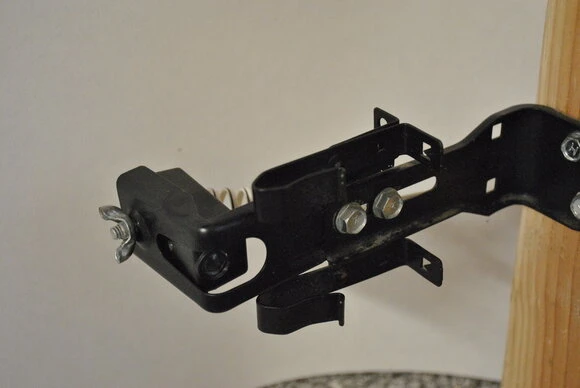
Properly installed safety eyes should be mounted on the bottom of the track 3-6” off the ground. This helps ensure that no person, pet, or object can sneak beneath the sensor and possibly get injured from the closing door. They should be bolted to the track, not just clipped on so they can’t be easily knocked out of position. The wires should be pigtailed to eliminate the chance of them getting pulled from activity in the garage. You can test your garage door safety eyes by checking for a LED light on each sensor. To learn more about how garage door safety eyes work, click here.
A Guide to Garage Door Materials
Take the guesswork out of choosing the best garage door material for your home.
Garage doors are no longer an afterthought when it comes to a home’s exterior. Now, more than ever, it is the focal point of the home. This is in part because more and more garages are being used as the primary entry way to many homes. It’s also due to the increase of garage door materials, styles, and customization options.
After many years in the garage door industry, Precision is knowledgeable and trustworthy when it comes to garage door materials. However, much of the information about garage door materials has also been obtained through our business partner, Carriage House Door Company, who we thank immensely for their insight and expertise.
When it comes to shopping around for garage doors, it’s important to consider which material best suits your budget, home, location, and lifestyle. A busy, active family with bikes and basketballs may not opt for a glass garage door. Comparatively, a homeowner with a grand exterior and a truly unique curb appeal may choose a custom wood door over a stamped steel garage door. Each material has its own pros, cons, and price point. Being prepared when you start garage door shopping can help alleviate some of the stress.
Wood
The very first garage doors were made of wood, so it’s no surprise that they are still a popular choice among many homeowners. The aesthetic appeal of a wood garage door is second to none. Loved for its variety, customization, and durability, real wood doors offer a unique curb appeal. Wood doors require regular maintenance, but with the ability to make the door all your own, you’ll want to put in the work to keep your door looking like a work of art.
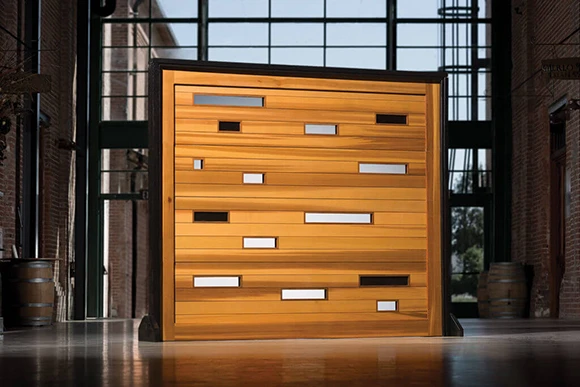
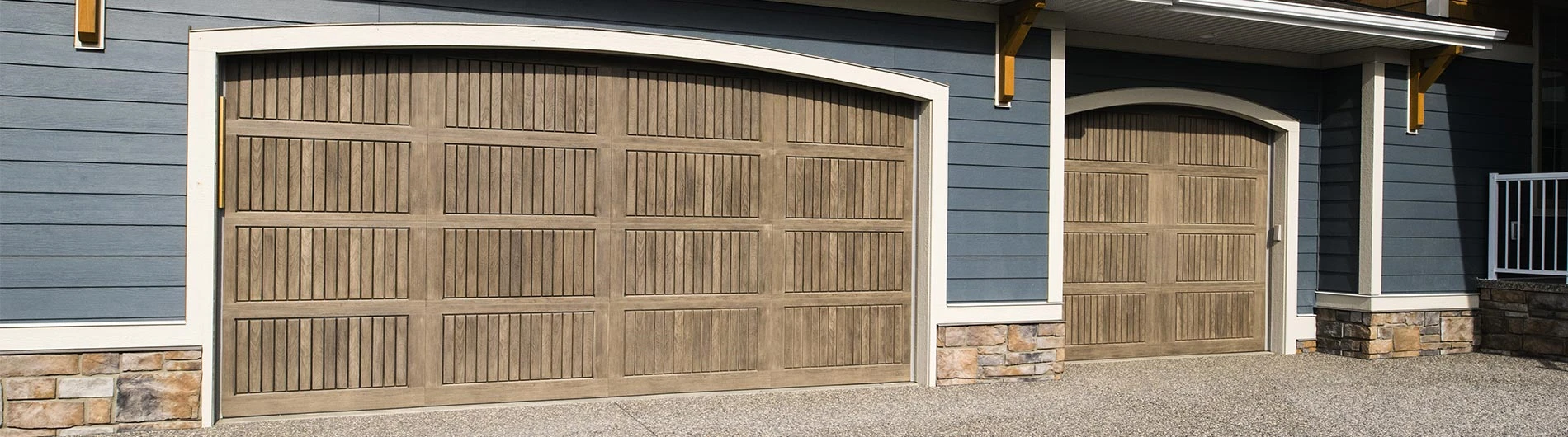
There are many different species of wood, which allows homeowners to match their existing exterior or completely add a wow factor by creating a one of a kind piece. Mahogany offers a deep, rich wood tone, while cedar (available in light, dark and mixed selects) has so many options within the one species. Reclaimed barn wood doors are gaining popularity and offer a rustic charm to a modern door.
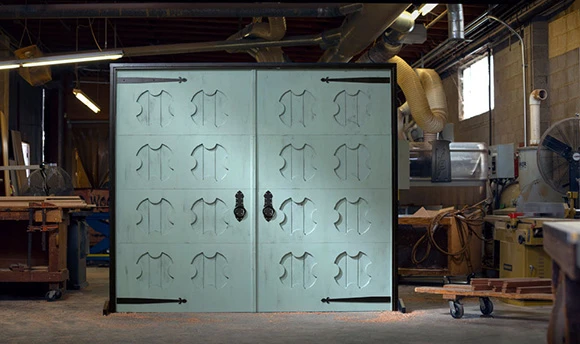
Wood is truly customizable, from the species and the stain to the overall design and direction of the grain. Wood can be cut, routed, stained, or painted to match your home’s unique style or timeless appearance.
Pros
Variety: Wood doors have a wide range of species, stains, designs, and styles.
Customization: Wood allows homeowners the ability to create a door that is truly all their own, from wood species to stain.
Easy to repair: It’s easy to repair scratches on wooden doors, which means your door will continue looking great, for years to come.
Durable: With proper upkeep and maintenance, a wood garage door can last up to 75 years!
Corrosion & fade resistant: This is contingent on proper care and maintenance, but this material can outlast all others if well maintained.
Cons
Consider door location: The finish on wooden doors can fade if exposed to direct sunlight for extended periods of time. Be sure to place your door in a shaded area.
Expansion and contraction: Depending on where you live, the weather can cause your door to warp or twist.
Maintenance: Because the doors are exposed to the elements, the proper care must be followed to ensure the quality and appearance of the door lasts.
Higher price: Customized wooden garage doors are often on the high end of the price scale.
Steel
Steel garage doors, perhaps one of the most popular materials, are generally affordable and come in a variety of colors and designs. Steel is hailed for its durability, low maintenance, and its ability to replicate the grain of real wood doors.
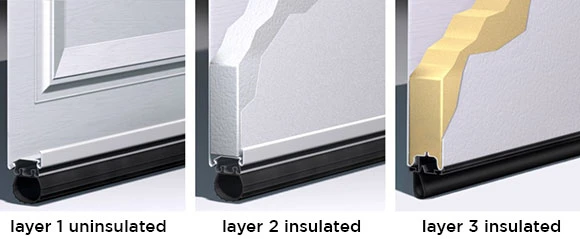
Steel garage doors come in single-, double-, and triple layer construction, with the latter being the most sought after and cost effective. The insulation between the two steel layers helps stop heat loss from your garage and also increases the R-value of your garage door.
Steel garage doors are customizable in that they can be painted a variety of colors. They can be stamped to look like real wood, with a textured grain and all. They can also be layered with composite materials, such as versatex, to create a vintage or modern look.
Pros
Value efficient: Steel garage doors are often budget friendly, without skimping on quality or durability.
Insulation layers available: Insulation in steel garage doors helps with wind, temperature, and sound infiltration. Insulation can increase the energy efficiency of your garage and home.
Low maintenance: Steel is a low maintenance material and does not require regular care, aside from a routine inspection of your garage door to ensure it’s working properly.
Design options: There are many design options for steel garage doors, but total customization is limited.
Durable: Steel garage doors are corrosion and fade resistant.
Cons
Susceptible to rust and dents: Steel garage doors can rust and are easily dented so you’ll need to ensure the door is taken care of properly.
Vinyl
It’s virtually maintenance free, which means you won’t have to spend time sanding or refinishing the exterior. A simple cleaning with your garden hose is often enough to keep the door looking great. Not only are they rust resistant, which makes them great choices for seaside locations, they are also salt-, insect-, rot-, moisture-, and fungus-resistant.
Pros
Low maintenance: Vinyl garage doors are basically maintenance free, from an aesthetic standpoint.
Price: A vinyl door is more expensive than steel, but less expensive than exotic wood.
Durable: The durability of this door is almost second to none. They are virtually dent-proof which is a great sell, depending on your lifestyle.
Weather resistant: Vinyl garage doors can withstand a lot of weather elements because they’re rust-, salt-, insect-, rot-, moisture-, and fungus-resistant.
Cons
Southern exposure restrictions: Because the vinyl will absorb heat so rapidly, a garage door that has southern exposure is restricted to white doors only. Eastern and Western exposure require reflective paints and light paint colors. North exposure allows most colors to be used.
Limited customization: Vinyl garage doors are available in very limited designs and colors.
Fiberglass
Fiberglass is known for its ability to mimic wood, without the price tag or maintenance. It can easily replicate the colors and grain patterns of real wood garage doors. Fiberglass is generally a low maintenance material, but it’s not as easy to repair damage made to the fiberglass sections as it is to repair other materials.
A lighter material than steel or wood, it doesn’t require a high power opener, which means it won’t put too much strain on the spring system. The construction of this material is simply two sheets of fiberglass surrounding a steel frame which is then insulated. Fiberglass itself is a poor insulator, so you’d probably want to opt for insulation if you choose this type of material.
It is very resistant to insects, warping, dents, moisture, and changes in humidity, which make this garage door material a great choice for homes on the coast or in salty environments. While this material is able to withstand many weather and climate conditions, the sun can cause the fiberglass to fade and become discolored, even turn yellow, and it is often less durable in cold climates.
Pros
Replicates other materials: Fiberglass can easily be made to look like wood or other materials so homeowners can get the design they want without spending too much.
Highly rust resistant: Aluminum is rust resistant, which allows this garage door material to be long lasting.
Good for coastal environments: Fiberglass is a good choice for homeowners who live in beachy or salty environments.
Value efficient: Fiberglass garage doors are affordable and generally worth their while.
Low maintenance: While fiberglass is a low maintenance material, it is not easy to repair.
Cons
Less durable in cold climates: Fiberglass is a generally durable material, but has been known to not hold up as well in cold climates.
Poor insulator: Fiberglass itself is a poor insulator.
Fades in the Sun: Fiberglass garage doors can fade in the sun and start to take on a yellow tinge as they age.
Limited customization: Fiberglass garage doors have limited customization options and are usually offered in common designs and styles.
Aluminum
Aluminum garage doors share many of the characteristics of steel. It can be made to mimic wood in color and texture, just like steel. But because it looks and acts like steel, doesn’t mean it’s the same. Because aluminum doesn’t rust, it’s a better material for coastal environments, although vinyl is the best solution for that area.
Pros
Rust resistant: Aluminum is not susceptible to rust, so it is a great material for many climates, especially coastal areas.
Easier to recycle: Aluminum is an easy material to recycle, so it’s eco friendly.
Cons
Dents easily: Aluminum can dent easily, so it’s not ideal for a rough and tough lifestyle.
Glass
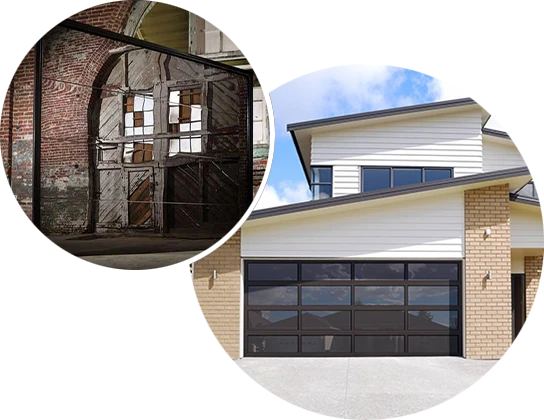
As garage doors become more of a focal point of a home's exterior, they are inherently becoming more modern to suit the exterior architecture. Glass is a very contemporary material for garage doors. It offers sleek, clean lines that are second to none. Compared to a steel or aluminum door, glass doors can get pretty expensive, but the wow factor that they offer is worth it to some homeowners.
When considering a glass garage door, you have to think about the function of your garage as a whole. If you use your garage door to house your expensive cars, then glass may be a good option for you. But if you practice woodworking in your garage or have a brood of kids around the house, glass won’t be a good choice.
Pros
Aesthetically pleasing: This material gives the appearance of wealth and modernity. The sleek exterior of a glass garage door offers real curb appeal.
Cons
Not very durable: Glass is a pretty delicate material, so if your garage door has a higher chance of getting damaged or broken.
Costly repairs: Replacing glass sections can get expensive.
Functionality: This door isn’t a great choice if you’re looking to have a garage door that can take some bumps and bruises.
Wood Composite
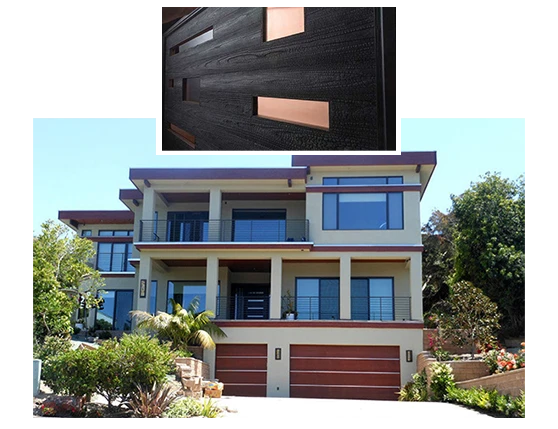
There has been a recent increase in composite materials, mainly for wood and vinyl. Wood composites, most popular are Extira and Tricoya, offer many of the same qualities as real wood, without the headache. These materials are lower maintenance but can be routed, milled, machined, painted or stained to look like real wood garage doors. They can be customized just as cedar or sapele mahogany could be.
Wood composites like Tricoya and Extira pride themselves on being “made to use outside” while other materials such as wood or steel aren't truly as sturdy or durable. A combination of resin and wood fillers, wood composite doors are moisture resistant, so you don't have to worry about cracking, warping, or termite damage. Extira wood composite is said to be 90% wood, so it handles much like the natural material. Speaking of natural materials, both Extira and Tricoya wood composites are sustainable and made using reclaimed wood or wood that is the byproduct of other operations.
Pros
Good for southern exposure: Wood composite doors can absorb heat better than wood doors without the fading that occurs on the finish.
Moisture resistant: The material is moisture resistant which leads to less warping and cracking.
Lower maintenance than wood: Real wood garage doors require regular refinishing, but wood composite materials don’t require the same amount of maintenance.
Durable: This material is long lasting and is resistant to cracking, moisture, and termite damage. It also has reduced swelling and shrinking.
Customization: Wood composites can be routed, carved, and machined to your specifications so you can create a true custom door.
Sustainable material: For those interested in going green, wood composite materials are sustainably made.
Cons
Use of formaldehyde: While some wood composites have added formaldehyde to their material, Tricoya and Extira do not.
More expensive than standard steel door: Wood composite materials are cheaper than mahogany wood but more expensive than most other materials.
Vinyl Composite
Vinyl composites are a cellular PVC material that is long lasting and durable, not to mention, completely customizable! This material can be routed, milled, cut and shaped to meet your design needs like wood, without the maintenance. The opportunity to customize doors, from the classic carriage house style to a completely unique design is what makes vinyl composite so versatile and mainstream. Vinyl composite garage doors are low maintenance because of their resistance to rot, moisture and warping. A wipe down a few times a year would help keep this door running smooth and looking great. Homeowners can have a white door, have it painted, or even opt for a wood stain look that truly mimics the look of real wood, without the work. While it’s suggested that vinyl composite doors are not painted dark colors because they can absorb heat quickly, there are many other finishing options for this material.
Pros
Moisture resistant: Because PVC is a plastic, it will not absorb moisture like other materials and makes it great for coastal areas.
Paint or Stain grade: The paint adhesion to this material is long lasting. You can paint it a specific color or get it painted to look like a wood stain.
Durable: This material is protected against rot, warping, and decay.
Low maintenance: Vinyl composite requires little maintenance to keep its exterior looking great.
Customizable: With the ability to be routed, milled, and cut, vinyl composite garage doors can be customized to the homeowners specifications.
Cons
Southern exposure restrictions: Because the material will absorb heat so rapidly and can warp, a garage door that has southern exposure is restricted to white doors only. Eastern and Western exposure require reflective paints and light paint colors. North exposure allows most colors to be used.
Repair or Replace Your Garage Door
So you're wondering if you should repair or replace your garage door, huh? Well, let us help walk you through it.
Repair your garage door if:
-It’s loud as it opens and closes. If your garage door is loud while it operates, the solution may be as simple as a rebuild which consists of replacing the moving parts such as the rollers and springs. These new and improved parts can help decrease the noise of your garage door and eliminate the constant headache.
-It has a dent in just one panel. Depending on the damage level, you may be able to repair one panel. A dent or a scratch can be resolved by replacing the panel with a new one.
-It won’t open or close properly. This could be the result of a broken spring or an issue with the garage door opener. Either way, several repair options are available for these types of problems that will have your garage door up and running in no time.
Replace your garage door if:
-You don’t like the way it looks. Whether it’s the windows or the design, if you no longer love your garage door’s style, there isn’t much you can do aside from replacing it. But with a great return on investment, it’s not such a bad idea.
-You’re updating the exterior of your home. Whether you’re getting a new front door and want your garage door to match or are painting your shutters and want your garage door to be the same color, there is a garage door option for you!
-It doesn’t have proper insulation. Many homeowners complain that the adjacent space to their garage is just simply too cold (or too hot)! The cause of this could be an uninsulated garage door. Proper insulation can help with energy efficiency and keep your living spaces more climate-controlled (and comfortable)!
-It’s damaged beyond repair. Have a kid that backed their car into the garage or a door that can’t be cleaned with a simple garden hose? You may be better off replacing the whole garage door rather than just a panel or two.
What to Know About Alert2Close
The Garage Door Opener Feature That Helps Keep Everyone Safe
With garage door technology constantly evolving, manufacturers had to come up with a way to keep people safe when a garage door was being controlled by a timer or a device outside of the home, such as the myQ app. Alert2Close is a safety feature that sets off flashing lights and a beeping sound to alert anyone near the door that it’s closing. Equipped with this built-in capability, your LiftMaster garage door opener has safety as a priority whether you are near or far.
How to Reprogram Garage Door Remotes and Keypads
It's important to know how to reprogram garage door remotes and keypads in case they get lost.
If you’ve lost your garage door remote or it was stolen, there is potential for thieves or intruders to enter your garage. In order to prevent that, you’ll need to erase the memory of your garage door opener. The misplaced remotes will no longer work with that opener. However, there’s no way to remove only the remotes from the opener’s memory. You will erase the memory of the keypad as well, so you’ll have to reprogram your new remotes and your existing keypad.
How to Erase the Memory
Locate the learn button. (It’s usually located under the lens, near the antennae.)
Press and hold the learn button until the LED light goes out.
The remotes will no longer work with your opener.
How to Reprogram Your Remote
Click Menu on your wall control panel.
Scroll to Program and select.
Scroll to Remote and select.
Press the button on the remote that you want to program.
The light on the opener will flash to signify that it is not paired.
If your wall control panel does not have a display screen, you will need to find the learn button on your opener and program the remote manually.
How to Reprogram the Remote Manually
Locate the learn button.
Press and release the learn button (like a doorbell).
The LED light will go on to signify it’s in program mode.
Press the button on the remote you want programmed.
The light on the opener will flash and the LED light by the learn button will turn off.
How to Reprogram Your Keypad
Click Menu on your wall control panel.
Scroll to Program and select.
Scroll to Keypad and select.
It will prompt you to enter your PIN in the keypad and press and hold Enter.
The light will flash to signify the keypad is successfully paired.
Aluminum Decorative Hardware for Garage Doors
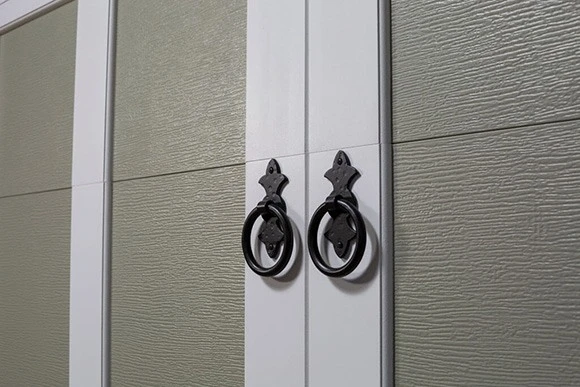
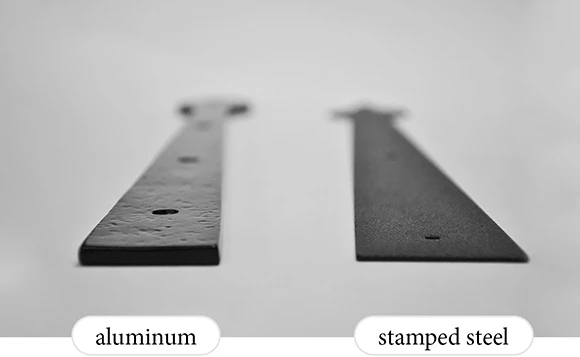
Decorative hardware is available on almost any garage door and allows you to add a little bit of personalization. Decorative hardware is available in three materials: aluminum, stamped steel or magnetic vinyl, and each comes with its own pros and cons.
Aluminum decorative hardware is typically more expensive than stamped steel or magnetic hardware. However, it is available in more designs. It is generally thicker with a three-dimensional appearance. This material is the right choice for coastal areas because it’s essentially rust-resistant, making it a popular decorative hardware material for homeowners who live along the beach.
Safety Features of Openers
You know what they say: “Safety first!” And as the largest moving part of your home, garage door safety is especially important. Garage door openers come equipped with several features to keep people, pets, and objects free from harm as the garage door is opening and closing.
Remote Closing Signal: This feature triggers the lights on your garage door opener to flash, notifying anyone in the garage that the door is being closed remotely using myQ technology.
Safety Eyes: Garage doors are equipped with safety eyes that are mounted on the bottom of the track near the opening. If the garage door is closing and there is a person, pet or object beneath the door in the opening of the garage door, the safety eyes send a signal to the opener to reverse and return to the open position to avoid injury.
Safety Reversal: If at any point the garage door strikes something as it is closing, it will automatically reverse and return to the open position. This feature ensures that the door doesn’t continue to put pressure on the item it has come in contact with, and reverses to stop damage or harm.